Geography, economy, governance and key statistics
Approximately the size of France, making Botswana one of the larger countries in Africa.
One of the most sparsely populated countries in the world.
Independence from Britain on 30 September 1966 — former name: Bechuanaland.
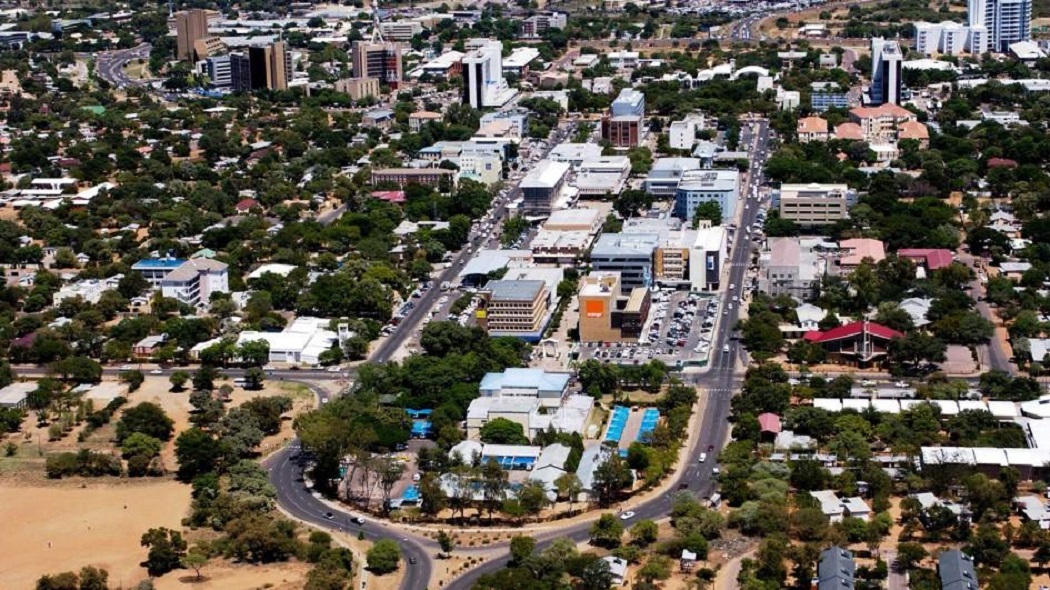
Located in the south-east near the South African border. Population approx. 270,000.
One of Africa's most highly rated economies, with sound fiscal management.
Among the highest proportions of protected land in Africa — a testament to conservation commitment.
Botswana is a landlocked country in Southern Africa, bordered by South Africa to the south and east, Namibia to the west and north, Zambia to the north, and Zimbabwe to the north-east. The country is predominantly flat, with the Kalahari Desert covering much of the interior. The Okavango River flows into the country from Angola, creating the Okavango Delta — the world's largest inland delta.
Botswana transformed from one of the world's poorest countries at independence to an upper-middle income country. This remarkable transformation was driven primarily by diamond mining, which accounts for over 70% of export revenue. Botswana is the world's second-largest producer of gem-quality diamonds (by value), with mines operated by Debswana (a partnership between the government and De Beers).
The government has been actively diversifying the economy through the Economic Diversification Drive (EDD), focusing on tourism, financial services, agriculture, manufacturing, and the ICT sector.
Botswana is a constitutional republic with a multi-party democracy. It is widely regarded as one of Africa's most stable democracies, having never experienced a coup or civil conflict since independence. The President serves as both head of state and head of government. The National Assembly has 65 elected members. Regular elections are held every five years.
Botswana has one of the world's most impressive conservation records. With approximately 17% of its land under formal protection and additional community conservation areas, the country hosts extraordinary biodiversity including the world's largest elephant population, over 550 bird species, and diverse big game populations in Chobe, Moremi, and the Central Kalahari Game Reserve.